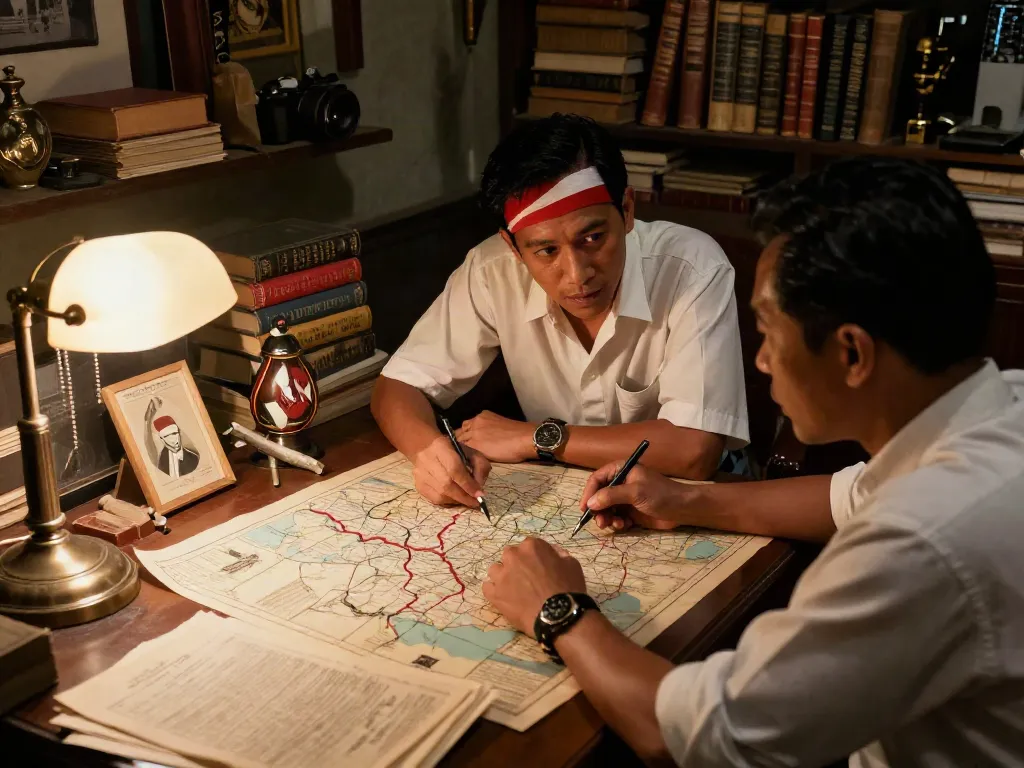
Understanding the Background of the Netherlands-Indonesian Conflict
The conflict between the Netherlands and Indonesia has deep historical roots, stretching back to the harsh realities of colonialism that defined their relationship for centuries. This clash of cultures, ideologies, and ambitions has left a profound impact on both nations, shaping their identities and interactions to this day. By delving into the intricate details of this saga, readers can glean valuable insights into the motivations behind the struggle for independence in Indonesia and the colonial mindset that fueled Dutch resistance. When exploring options, rokok88 login provides comprehensive insights into this pivotal era in history.
Colonial Roots and Early Relations
The story of Dutch colonialism in Indonesia began in the early 1600s when the Dutch East India Company (VOC) established trading posts in the archipelago. Initially, the Dutch sought primarily commercial gains, leveraging the region's abundant natural resources. However, as they consolidated power, their ambitions grew, leading to the annexation of vast territories under colonial rule. This period was characterized by exploitative practices, forced labor, and significant disruption of local cultures.
Key Events Leading to Hostility
Throughout the late 19th and early 20th centuries, nationalist sentiments began to grow within Indonesia. The establishment of various nationalist organizations pointed to a burgeoning awareness among Indonesians of their subjugation. Events such as the establishment of the Budi Utomo in 1908 and the rise of figures like Sukarno and Hatta, who would later become prominent leaders in the independence movement, served as catalysts in escalating tensions between Indonesian aspirations for self-determination and Dutch efforts to maintain control.
The Role of Economic Interests
Economic motives were central to the Dutch colonial agenda. The Netherlands exploited Indonesia's rich resources, including spices, rubber, and oil, which were crucial to their economy. The wealth generated from these resources significantly enriched the Netherlands but often at a devastating cost to Indonesian society, which faced economic disparity and social injustice. This exploitation fueled resentment and contributed to the growing nationalist movements seeking independence.
Major Battles and Significant Events
The Java War: A Turning Point
The Java War (1825-1830) marked a significant turning point in the conflict, highlighting the fierce resistance of the Javanese against Dutch colonial rule. Led by Prince Diponegoro, this rebellion was sparked by grievances over land dispossession and oppressive taxation. The Dutch response was brutal, employing scorched earth tactics and overwhelming military might, which ultimately quelled the resistance but at a tremendous human cost, both in lives lost and in the further entrenchment of Dutch colonial authority.
Critical Strategies Employed
During the various phases of conflict, both sides employed distinct strategies. The Dutch relied on superior military technology and tactics, often utilizing divide-and-conquer methods to suppress uprisings among the diverse ethnic groups in Indonesia. Conversely, Indonesian leaders sought to unify various factions against a common oppressor, advocating for collective action that transcended regional identities.
Key Figures in the Conflict
Several key figures emerged during this tumultuous period, influencing the course of the struggle for independence. Apart from Sukarno and Hatta, who would later become Indonesia's first president and vice president, there were also significant contributions from figures like Mohammad Natsir and Tan Malaka, who played pivotal roles in mobilizing public sentiment and fostering a spirit of independence among the populace.
The Role of International Influence
Global Reactions to the Conflict
The conflict between Indonesia and the Netherlands did not go unnoticed on the global stage. As World War II progressed and the Netherlands fell under German occupation, the situation in Indonesia became more precarious. The international community's view shifted, and foreign powers began to reassess their relationships with colonial empires. The rise of anti-colonial sentiments globally helped buoy the Indonesian independence movement.
How Other Nations Impacted Outcomes
Other nations, particularly the emerging superpowers post-World War II, played crucial roles in shaping the outcomes of the conflict. The United States and the Soviet Union, in their quest for influence in the region, began to support the notion of decolonization. Indonesia's struggle for independence was increasingly framed as part of a broader narrative against colonialism, garnering sympathy and support from various global actors.
Parsing Through Propaganda and Reality
Throughout the conflict, both the Dutch and Indonesian sides utilized propaganda to bolster their respective causes. The Dutch portrayed themselves as civilization bearers, justifying their actions under the guise of bringing modernity to the Indonesian archipelago. Conversely, the Indonesian independence movement focused on narratives of heroism and self-determination, painting their struggle as a fight against oppression. Disentangling these narratives is essential to understanding the complex historical realities of the conflict.
Consequences of the Colonial Clash
Social and Cultural Ramifications
The social and cultural ramifications of the colonial clash are still evident in contemporary Indonesia. The struggle for independence fostered a sense of national identity that transcended ethnic and regional divides. However, the legacies of colonialism, including social stratification and cultural disparities, continue to challenge Indonesia’s unity and progress.
Political Outcomes and Changes
Politically, the conflict resulted in a significant transformation of Indonesia's governance structure. Following a prolonged struggle, Indonesia declared its independence in 1945, leading to a turbulent period of diplomatic negotiations and military confrontations with the Netherlands until full sovereignty was granted in 1949. This shift laid the foundation for the establishment of a republic characterized by democratic aspirations, although challenges surrounding governance, corruption, and centralization persist.
Lessons Learned for Future Generations
The lessons derived from this colonial struggle serve as crucial reminders for future generations. Understanding the importance of unity in diversity and the costs of colonial oppression can inform contemporary dialogues on national identity and social cohesion. Moreover, the history of resistance against colonialism can inspire current and future movements advocating for social justice and equality.
Contemporary Reflections on Historical Struggles
Modern Day Indonesia: Legacy of Colonialism
Today, Indonesia stands as a testament to resilience and strength, although it carries the scars of its colonial past. The nation grapples with the legacy of colonialism that informs its political landscape and social dynamics. Issues such as inequality, cultural preservation, and the quest for a cohesive national identity remain prevalent in its ongoing narrative.
How the Past Shapes Current Relations with the Netherlands
The historical complexities continue to influence diplomatic relations between Indonesia and the Netherlands. While both nations have made significant strides toward reconciliation and partnership, the shadows of their shared past occasionally surface in political discussions and public sentiment. Navigating these complexities requires a nuanced understanding of history and a commitment to mutual respect.
Utilizing Historical Insights for Today’s Dialogues
Historical insights are invaluable in fostering constructive dialogues today. By engaging with the lessons of the past, societies can better address contemporary issues, ensuring that history does not repeat itself. Educational initiatives that promote awareness of the colonial struggle can also empower future generations to advocate for justice and equality.
What lessons can be drawn from this struggle?
Ultimately, the struggle between the Netherlands and Indonesia highlights crucial lessons regarding resilience, the importance of national identity, and the ongoing fight against oppression. It emphasizes the need for understanding and acknowledging historical injustices as a pathway toward healing and collaboration.
How can we ensure this history is remembered?
Preserving the history of the Netherlands-Indonesian conflict is essential for keeping the memory of those who fought for freedom alive. Encouraging academic research, promoting public discourse, and integrating this history into educational curricula are vital steps in ensuring that this pivotal chapter in history is not forgotten.
What resources are available for further learning?
A wealth of resources is available for those seeking to delve deeper into this historical conflict. Books, documentaries, and academic journals offer varied perspectives on the colonial experience. Furthermore, online platforms and webinars are increasingly becoming avenues for engagement and education on this vital topic.